
You are here:
- Home
- Running Plans
- Marathon Training Plans
- Intermediate Half Marathon to Marathon Bridge Plan
Intermediate Half Marathon to Marathon Bridge Plan
Turn established fitness into marathon-specific durability.
A shorter marathon build still has to prepare you for sustained effort, accumulated fatigue, and the demands of longer weekends. This plan uses steady intervals, recovery running, midweek aerobic volume, and progressive long runs to develop those abilities without shifting the focus to track speed. Every session has a defined purpose, effort target, and adjustment so the full week works together instead of becoming a collection of unrelated miles.
15 weeks · 5–6 runs per week · peaks at ~56 mi/week · longest run 22 miles
One-time purchase, yours for life. Delivered through Final Surge.
That’s about $2.33 per week, or 39¢ per coached run.

Before You Start
Week 1 is approximately 31 miles, with 5 runs and a 10-mile long run. Your current training should make that opening schedule manageable. Recent half marathon training can help, but readiness depends on the frequency and volume you can consistently support now.
Is This You?
Read Long Run Training Variations for more about the different jobs a long run can perform.
Racing a different distance or need another level of training?
Beginner Half Marathon to Marathon Bridge Plan
Intermediate Marathon Training Plan
Advanced Marathon Training Plan
Half Marathon Training Plans
What Makes This Training Plan Different
The schedule develops marathon durability through sustained aerobic work, consistent frequency, and progressive long runs rather than track-based speed.
A Real Week From The Plan
Week 10 sits inside the marathon-build phase, with steady intervals, recovery running, sustained weekday volume, and a 20-mile Saturday long run.
Easy Run
60–65 minutes – Easy (RPE 3–4)
Workout Details:
Steady aerobic running designed to maintain endurance while supporting recovery from the previous long run.
Activation:
Complete your 5–10 minute activation warm-up routine before starting.
How it should feel:
Relaxed and steady with smooth aerobic rhythm throughout.
Coaching cue:
Focus on relaxed upper body posture and smooth breathing patterns.
Adjust if needed:
Reduce duration slightly if lingering fatigue remains elevated.
Goal:
Maintain aerobic endurance and support recovery between harder sessions.
Steady Effort Intervals
70 minutes total
Warm-Up:
10–15 minutes easy running (RPE 3–4)
Main Set:
2 × 15 minutes steady effort (RPE 5)
with 4 minutes easy running between efforts
Cool-Down:
10–15 minutes easy running
Workout Details:
Longer sustained aerobic intervals focused on improving marathon endurance and controlled pacing under fatigue.
Activation:
Complete your 5–10 minute activation warm-up routine before starting.
How it should feel:
Controlled and comfortably demanding without becoming aggressive.
Coaching cue:
Stay patient early in each interval and focus on keeping the effort smooth and sustainable.
Adjust if needed:
Shorten the intervals slightly if maintaining steady effort becomes difficult.
Goal:
Improve sustained aerobic strength and endurance efficiency.
Recovery Run
45–50 minutes – Recovery Effort (RPE 2–3)
Workout Details:
Easy recovery-focused running intended to help absorb the previous workout and restore the legs.
Activation:
Complete your 5–10 minute activation warm-up routine before starting.
How it should feel:
Very light and comfortable.
Coaching cue:
Keep the effort easy enough that you finish feeling refreshed rather than fatigued.
Adjust if needed:
Reduce duration if your legs feel excessively heavy.
Goal:
Support recovery and maintain consistent movement between key workouts.
Optional Strength & Mobility
15–20 minutes light strength and mobility work
Suggested exercises:
Walking lunges
Side planks
Single-leg calf raises
Resistance band lateral walks
Hamstring bridges
Ankle mobility drills
How it should feel:
Controlled, balanced, and manageable.
Coaching cue:
Focus on stability and controlled movement patterns rather than rushing through exercises.
Adjust if needed:
Reduce volume or eliminate exercises causing lingering soreness.
Goal:
Improve lower-body stability and support efficient running mechanics.
Easy Run
75 minutes – Easy Aerobic Effort (RPE 3–4)
Workout Details:
Aerobic maintenance run focused on supporting endurance while keeping overall fatigue manageable heading into the long run.
Activation:
Complete your 5–10 minute activation warm-up routine before starting.
How it should feel:
Steady, relaxed, and sustainable throughout.
Coaching cue:
Focus on keeping your effort controlled even if terrain or conditions change.
Adjust if needed:
Reduce duration slightly if cumulative fatigue is building.
Goal:
Maintain aerobic volume while managing fatigue throughout the week.
Easy Run
50–55 minutes – Easy (RPE 3–4)
Workout Details:
Relaxed aerobic running focused on staying loose and maintaining consistency before the long run.
Activation:
Complete your 5–10 minute activation warm-up routine before starting.
How it should feel:
Comfortable and low stress.
Coaching cue:
Let the pace stay natural and avoid overthinking effort.
Adjust if needed:
Reduce duration slightly if needed.
Goal:
Support recovery and prepare for the weekend long run.
Long Run
20 miles – Easy Aerobic Effort (RPE 3–4)
Workout Details:
Extended aerobic long run focused on marathon durability, fueling consistency, and sustained endurance development.
Activation:
Complete your 5–10 minute activation warm-up routine before starting.
How it should feel:
Controlled and sustainable with gradually increasing fatigue later in the run.
Coaching cue:
Break the run mentally into smaller segments and focus on staying smooth and relaxed through the middle miles.
Adjust if needed:
Use short walk breaks if needed to maintain controlled aerobic effort.
Goal:
Build confidence and durability for marathon-distance training demands.
Additional Focus:
Practice fueling consistently from early in the run. Pay attention to fluid intake, fueling timing, and maintaining steady energy during the later miles.
Rest & Recovery
Option 1:
Full rest
Option 2:
Light walking, stretching, or mobility work
How it should feel:
Restorative and calming.
Coaching cue:
Long runs create significant training stress, so prioritize recovery habits over additional activity.
Adjust if needed:
Take extra recovery time if soreness or fatigue remains elevated.
Goal:
Help your body recover from peak endurance workload and prepare for the next progression phase.
All 89 coached runs include the session, activation routine, effort guidance, coaching cue, adjustment option, and purpose behind the work.
The 15 Weeks, Phase By Phase
The plan covers 15 weeks, with recovery weeks at Weeks 4, 8, and 12 before the peak, taper, and race-week phases.
| Phase | Weeks | What happens | Long run reaches |
|---|---|---|---|
| Foundation | 1–4 | Re-establishes aerobic running and introduces intervals and medium-long runs. Week 4 is a recovery week, with mileage dropping to approximately 39 miles and the long run to 12 miles. | 14 miles |
| Build | 5–8 | Extends intervals, weekday duration, and long runs. Week 8 is a recovery week, with mileage dropping to approximately 43 miles and the long run to 14 miles. | 18 miles |
| Marathon Build | 9–12 | Extends sustained weekday running and builds the long run to 20 miles. Week 12 is a recovery week, with mileage dropping to approximately 47 miles and the long run to 16 miles. | 20 miles |
| Peak | 13 | Reaches the plan’s highest training mileage at approximately 56 miles and its longest training run. | 22 miles |
| Taper | 14 | Reduces mileage to approximately 41 miles and the long run to 12 miles. | 12 miles |
| Race Week | 15 | Includes 5 scheduled runs before the marathon. Race-day mileage is excluded from the peak figure. | 26.2-mile race |
What This Asks Of Your Week
The honest answer, by phase, because “do I have time for this?” is worth answering before you buy, not after. Totals cover the scheduled running and will shift with your own pace. Optional strength and mobility add time when you choose to include them.
Foundation, Weeks 1–4: approximately 5–7.5 running hours per week
Build, Weeks 5–8: approximately 6.75–8.25 running hours per week
Marathon Build, Weeks 9–12: approximately 7.25–8.5 running hours per week
Peak, Week 13: approximately 8.75 running hours
Taper, Week 14: approximately 6.5 running hours
Race Week, Week 15: approximately 3.25 hours of running before race day, plus the marathon itself
Six running days require consistency; the Tuesday session and Saturday long run need the largest blocks of time.
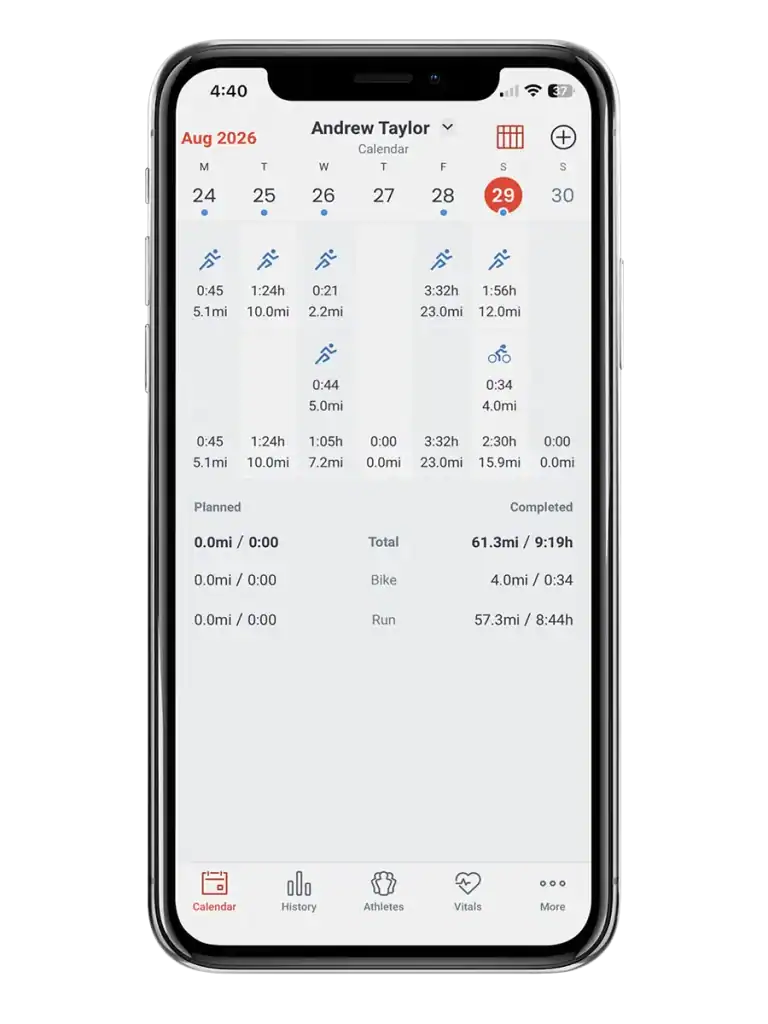
What You Get Inside the Intermediate Half Marathon to Marathon Bridge Training Plan
The plan arrives in Final Surge with the complete schedule, coaching guidance, and adjustment options organized by day.
- All 15 weeks of structured training, with 89 coached runs including race day
- RPE guidance, activation routines, coaching cues, and adjustment options for every run
- Steady-effort intervals with the warm-up, work intervals, recoveries, and cool-down written out
- Medium-long aerobic runs, steady progression runs, and recovery runs prescribed as separate sessions
- Progressive long runs reaching 22 miles, with guidance for practicing hydration and fueling
- Optional weekly strength and mobility sessions supporting the scheduled running
- 3 recovery weeks, followed by a peak week, taper week, and race week
- A printable PDF, plus workout syncing with Garmin, Strava, Polar, and most major devices
- Lifetime access — buy it once, use it for every marathon you run
How It Works
Final Surge is free to use — you’re paying for the plan, not a subscription.
Frequently Asked Questions
Week 1 is approximately 31 miles, with 5 runs and a 10-mile long run. Your current training should make that opening schedule manageable before the plan moves to 6 weekly runs. Recent half marathon training can provide useful experience, but readiness depends on whether that frequency and volume already fit the running you can consistently support now.
This bridge covers 15 weeks, begins with 5 runs, and moves to 6-run weeks before peaking at approximately 56 miles. The Intermediate Marathon Training Plan covers 20 weeks, begins with 6 runs, and peaks at approximately 52 miles. The bridge is shorter because it moves into higher-volume marathon work sooner, not because the training is easier.
You can wait to begin the bridge or maintain consistent running before the plan starts. If you want structured marathon training to begin sooner, the 20-week Intermediate Marathon plan provides a longer progression. The right choice depends on the frequency and volume you currently support and how much time you want between beginning the plan and race day.
Week 1 includes 5 runs. The schedule moves to 6 runs per week from Week 2 through race week, with one weekly rest day. Optional strength and mobility appear as separate sessions. Weekly mileage begins at approximately 31 miles and peaks at approximately 56 miles in Week 13 before dropping through the taper.
The foundation requires approximately 5–7.5 running hours per week. The build ranges from approximately 6.75–8.25 hours, and the marathon-build phase requires approximately 7.25–8.5 hours. Peak week reaches approximately 8.75 hours. These estimates move with your own pace, while optional strength and mobility add time when you choose to include them.
It includes steady-effort intervals and progression runs, but not track sessions. The workouts develop sustained aerobic strength and controlled effort rather than short-distance speed. Each structured session includes its warm-up, main set, recoveries, and cool-down. If you want track repetitions and a half marathon tune-up race, the Advanced Marathon Training Plan uses that structure.
No. Every run uses an RPE target, allowing the intended effort to adjust with heat, hills, terrain, fatigue, and recovery. The plan explains how each session should feel and provides an adjustment when shortening the duration, reducing an interval, keeping a progression run easy, or using short walk breaks is the better training decision.
Skip the missed session and continue with the next scheduled day. Do not stack workouts or add the mileage to another run. The plan includes recovery weeks at Weeks 4, 8, and 12, but those weeks are part of the planned progression rather than opportunities to catch up. Returning to the schedule protects the balance across a dense running week.
Schedule a 15-minute consultation and we’ll talk it through before you buy. If you’d rather have someone adjusting the plan around your race date, online run coaching is the other route.
15 Weeks From Half Marathon Shape To The Start Line
Pick your race, set your start date, and the plan builds backwards from it. If the race moves, the plan moves. You keep it for life — and the next time a half is your starting point, 15 weeks is all you’ll need again.
One-time purchase, lifetime access. Delivered instantly through Final Surge.