
You have decided you want to run 26.2 miles—or you are strongly leaning in that direction. Now you are facing a different kind of decision:
Which marathon should you run this fall?
A road marathon may offer predictable footing and steady pacing, while a trail marathon can turn the same distance into a very different challenge. A large city race may surround you with crowds and support, while a smaller community marathon may give you more room to settle into your own rhythm. You may also be deciding whether to stay close to home or turn race weekend into a destination trip.
That hesitation is normal. Choosing a marathon means choosing more than a finish line. You are choosing the terrain you will train for, the environment you will race in, and the experience that will shape the next several months.
Understanding the different types of marathons can help you find the event that fits both your current training and the kind of race experience you want.
If you are still unsure whether you are ready to train for 26.2 miles, begin with Am I Ready for a Marathon?. If you are still comparing race distances, our guide to the different types of running races can help you choose a more appropriate goal first.
Understanding the Different Types of Marathons
Not every marathon offers the same experience. Once you decide that 26.2 miles is an appropriate goal, the next decision is determining which type of course fits you.
Road Marathons
Road marathons are run primarily on pavement. They can range from large urban events to small community races.
Road surfaces are generally more predictable than trails, but course profiles still vary considerably. A road marathon may be flat, rolling, hilly, or downhill. When comparing races, look beyond the surface and review the elevation profile, number of turns, potential weather, and time limit.
A road marathon may be a good fit if you prefer predictable footing, want to focus closely on pace, or complete most of your training on roads and paved paths.
Trail Marathons
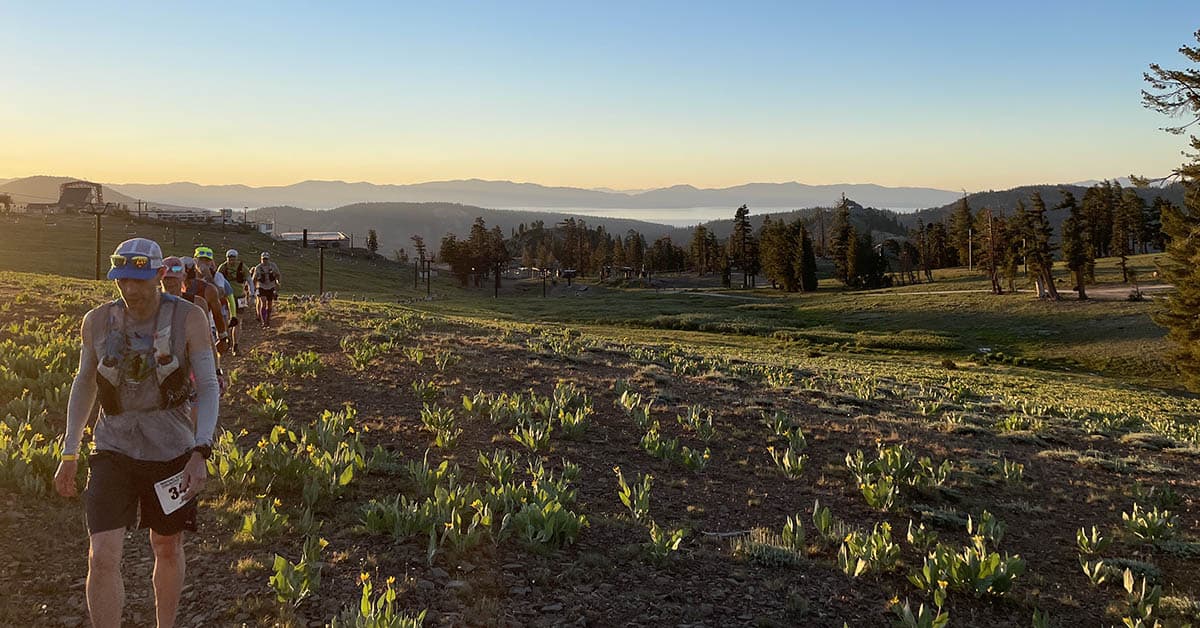
Trail marathons may include hills, rocks, roots, narrow paths, mud, and significant elevation change. Mile pace becomes less useful because the terrain can make one mile substantially harder than the next.
If you choose a trail marathon, your preparation should include training on terrain similar to what you will encounter on race day. You may also need to practice hiking steep climbs, managing technical descents, and carrying hydration or other required equipment.
A trail marathon is not automatically a better or harder version of a road marathon. It is a different event requiring different preparation.
Large City Marathons
Large city marathons usually provide energetic crowds, extensive course support, and the feeling of participating in a major event. They may also include crowded starting areas, complicated transportation, early arrival requirements, and more expensive travel.
If crowd support motivates you, a large race can be a memorable experience. If crowds make it difficult for you to settle into your pace, a smaller event may feel more comfortable.
Small Community Marathons
Smaller marathons often offer a quieter, more personal experience. You may have more room to run and fewer logistical complications.
However, a small field can also mean longer stretches without spectators or nearby runners. Aid stations may be farther apart, and pace groups may not be available.
Neither field size is inherently better. Think about whether you draw energy from a crowd or prefer space and fewer distractions.
Destination Marathons
A destination race combines the marathon with travel. That can give your training a meaningful focal point, but it also adds decisions involving flights, hotels, meals, transportation, and recovery.
A late-fall city marathon in the Southeast or a winter road marathon on the Atlantic coast may be appealing if you want to extend your racing season. Before registering, consider how travel will affect your sleep, meals, packet pickup, and ability to arrive early enough to settle in.
A destination marathon should be a trip you can comfortably plan and afford—not an additional source of stress throughout your training.
What Makes a Fall Marathon Different From a Spring Marathon?
Fall marathons are popular partly because they often offer cooler race-day conditions. But preparing for a fall event means completing much of your training during the summer.
That creates a few practical differences.
Your Training Weather May Not Match Race Day
Summer heat can make your usual pace feel harder. Your long runs may need to begin earlier, include additional hydration, or be adjusted based on the conditions.
By race day, temperatures may be much cooler. That can improve running conditions, but it may also change what you wear and how much fluid you need.
Do not assume that every fall marathon will be cool. Review the location’s typical conditions while remembering that historical averages cannot predict a specific morning.
Daylight Begins to Change
Early in a fall training cycle, you may have plenty of morning and evening daylight. By the final weeks, sunrise arrives later and sunset comes earlier.
If you train before work or in the evening, plan for visibility. Lighted routes, reflective equipment, and a headlamp may become part of your routine before race day arrives.
Travel Can Become More Complicated
Fall and early-winter marathons may overlap with school schedules, holidays, football weekends, and other regional events. Hotel availability and transportation can become part of the race-selection decision.
Before registering, check:
- How you will reach the starting line.
- Whether the course starts and finishes in the same location.
- When packet pickup takes place.
- Whether race-morning parking is available.
- Whether you need to arrive one or two days early.
- How long you have before traveling home.
A marathon can fit your fitness and still be the wrong choice if its logistics create unnecessary stress.
How to Pick a Specific Fall Marathon
Once you have decided to run 26.2 miles, compare potential marathons using three primary factors: course, field size, and travel.
Choose a Course That Fits Your Training
The course should resemble something you can prepare for.
If most of your running is on flat roads, a very hilly trail marathon will require more than simply extending your long run. You will need access to hills, trails, and enough time for your body to adapt.
For example, the City of Trees Marathon in Boise offers a paved, rolling course. That gives you a very different challenge from the Tecumseh Trail Marathon near Bloomington, Indiana, which takes place on trails and is classified as very hilly.
Both are marathons, but you should not train for them in exactly the same way.
Not sure where to begin looking? Our Find a Race tool lets you filter races by state, course profile, and month to find marathons that match what you are looking for.
Consider More Than Elevation
Elevation gain is important, but it is not the only course feature that affects difficulty.
Also look at:
- Road, gravel, or trail surface.
- Point-to-point, loop, or out-and-back layout.
- Altitude.
- Number and placement of aid stations.
- Time limits.
- Technical trail sections.
- Whether the course is exposed to sun, wind, or rain.
- Whether the event permits headphones, hydration packs, or other equipment you use.
A course does not need to be easy. It needs to be something you can prepare for.
Decide How Much Race-Day Energy You Want
Some runners perform better when spectators line the streets. Others find large crowds overwhelming.
A large city marathon may provide frequent aid stations, pace groups, entertainment, and thousands of runners around you. A small marathon may offer a quieter starting area, easier parking, and more room to establish your pace.
Ask yourself:
- Do crowds motivate or distract me?
- Would I rather run with a pace group or manage my own pace?
- Am I comfortable spending parts of the marathon alone?
- Do I want a major event or a more relaxed weekend?
- How important is spectator support?
- Will a crowded start make it harder for me to settle into my planned pace?
Your answers can quickly narrow a long list of potential races.
Be Honest About Travel
A destination marathon can be worthwhile, but travel is part of the physical and financial cost.
A fall marathon in the central United States may be easy to reach if you live nearby and much more complicated if it requires multiple flights. A winter race on an island or coastal destination may sound relaxing, but lodging and local transportation still need to fit your budget.
Before committing, estimate the full trip:
- Registration.
- Transportation.
- Hotel.
- Meals.
- Local travel or rental car.
- Time away from work.
- Expenses for anyone traveling with you.
Also consider how soon you will need to travel home. Spending several hours in a car or boarding an early flight the morning after a marathon may make recovery more uncomfortable.
You should feel excited about the trip, not pressured by what it costs or requires.
Featured Race
Pick the Training Experience You Want
Marathon selection is often discussed as if you are choosing a single morning. In reality, you are choosing the next several months.
A flat or gently rolling road marathon may place greater emphasis on consistent mileage, steady pacing, longer weekend runs, and regular fueling practice.
A hilly road marathon will require more attention to climbing strength, effort-based pacing, and preparing your legs for repeated descents.
A trail marathon may shift your focus toward hills, strength, time on your feet, technical skills, and becoming comfortable moving at a pace that changes with the terrain.
A destination marathon may also require you to plan your training around travel expenses, time away from home, and a race-week schedule that is less familiar than one close to home.
Before you click the registration button, ask yourself:
Do I want the training that comes with this marathon?
If the answer is yes, the finish line will have much more meaning.
Final Thoughts
Choosing among the different types of marathons is not about finding the easiest course or the most impressive event. It is about selecting a challenge that fits your training environment, preferences, schedule, and available preparation time.
Your fall marathon should be ambitious enough to provide direction but realistic enough that you can prepare without rushing. Compare the course with the terrain available to you. Think honestly about whether crowds energize or overwhelm you. Consider the full cost and logistics of traveling. Then decide whether you want the training experience that particular marathon will require.
Most importantly, remember that you are not merely picking a finish line.
You are picking a training plan.
Once you have chosen your race, explore our marathon training plans to find the Beginner, Intermediate, Advanced, or Bridge option that fits your current experience and goal.
Some runners also like to mark the moment they select or complete a race with something from our World Marathon Sticker Collection. It is a simple way to remember where the training eventually took you.
Frequently Asked Questions
The main types of marathons include road marathons, trail marathons, large city marathons, small community races, and destination marathons. Courses may also be flat, rolling, hilly, downhill, or run at altitude. The distance remains 26.2 miles, but the required training and race-day experience can be very different.
Choose your marathon early enough to complete an appropriate training plan without rushing the initial weeks. Your exact timeline will depend on your current running base, marathon experience, and the plan you intend to follow.
If the plan assumes more weekly mileage or a longer starting long run than you currently handle, you may need additional base-building time first.
Not necessarily in every case, but trail marathons often take longer and require different skills. Hills, uneven surfaces, technical sections, and aid-station spacing can make pace less predictable.
A well-prepared trail runner may be more comfortable on that terrain than an equally fit runner who trains only on roads.
A large marathon may provide more spectators, pace groups, aid stations, and runners around you. Those features can be reassuring during your first marathon.
However, a smaller race may offer simpler logistics, less crowding, and an easier opportunity to establish your pace. The better choice depends on which environment will make you feel more comfortable and supported.
Do not force yourself to commit to 26.2 miles simply because fall marathon registration is open.
Start by reading Am I Ready for a Marathon? and reviewing the different types of running races. If your current training does not support marathon preparation, choose a shorter-distance training plan and use the season to build the consistency and endurance you will need for a future marathon.
Reassess before forcing the training. Depending on the event, you may be able to defer your entry, transfer your registration, or switch to another distance offered during the same race weekend.
Adjusting the goal is usually better than making a sudden mileage increase or continuing through persistent pain.