
How to Stay Hydrated During Running and Summer Training
Hydration plays a major role in running performance, recovery, and overall health — especially during hotter weather and higher-mileage training.
As temperatures and humidity rise, runners lose more fluids and electrolytes through sweat. Failing to replace them appropriately can contribute to:
- fatigue
- headaches
- muscle cramps
- dizziness
- declining performance
- slower recovery
Hydration needs vary significantly from runner to runner depending on:
- sweat rate
- climate
- humidity
- workout duration
- body size
- training intensity
There is no one-size-fits-all hydration strategy, but learning how to hydrate consistently before, during, and after your runs can help support better endurance, recovery, and long-term training consistency.
If you are training during hotter conditions, our article on Tips for Running in Hot Weather covers additional strategies for managing heat, humidity, pacing, and recovery during summer running.
Hydrate Consistently Throughout the Day
One of the biggest hydration mistakes runners make is only focusing on fluids immediately before a workout.
Daily hydration habits matter just as much as what you drink during your run.
Many runners, especially during busy workdays, unintentionally spend most of the day mildly dehydrated before beginning an evening run or workout.
Building consistent hydration habits throughout the day can help support:
- energy levels
- recovery
- endurance
- temperature regulation
- workout performance
Instead of waiting until you feel extremely thirsty, aim to hydrate consistently throughout the day, especially during warmer weather or higher training volume.
Hydrate Before Longer Runs
Starting a run already dehydrated can make training feel significantly harder.
Before longer runs or harder workouts, many runners benefit from increasing fluid intake slightly in the hours leading up to training.
A good starting point for many runners is:
- 16–20 oz of water 1–2 hours before your run
- additional fluids during especially hot or humid conditions
Some runners also prefer adding electrolytes before longer efforts, especially during marathon or ultramarathon training.
Hydration needs are highly individualized, so it may take some experimentation to determine what works best for your body and stomach comfort.
Drink During Longer Runs
For shorter runs in mild conditions, many runners may not need substantial fluid intake during the workout itself.
However, during:
- long runs
- marathon training
- hot weather
- humid conditions
- higher-intensity workouts
hydration during the run often becomes much more important.
A general starting point for longer runs is:
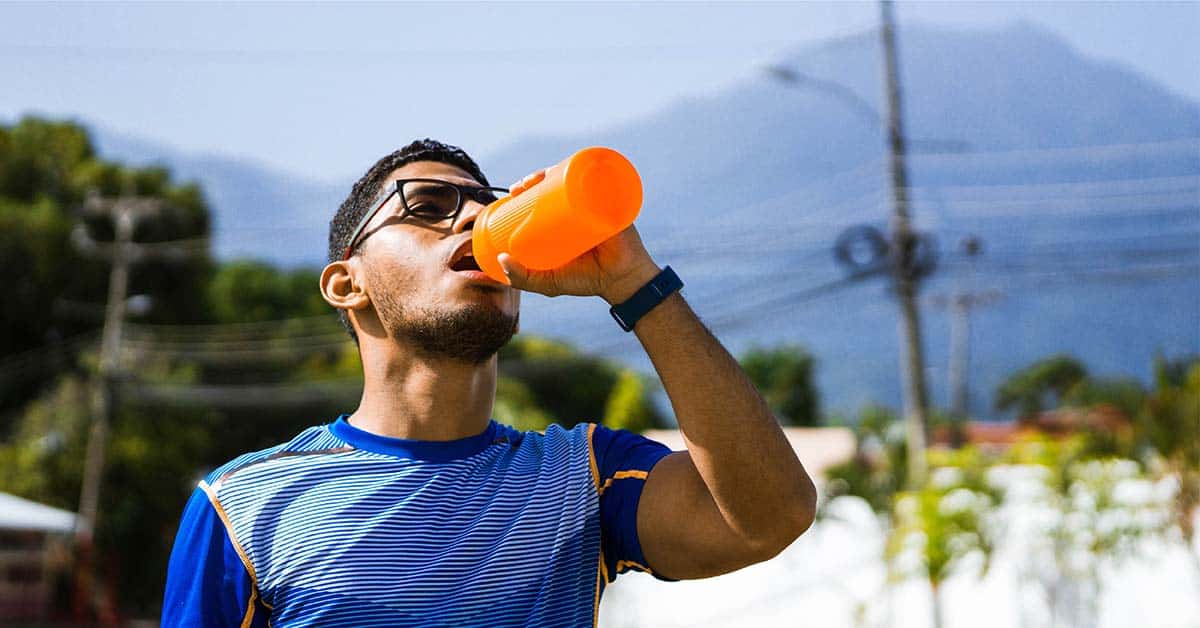
- 5–10 oz of fluids every 15–20 minutes
Some runners prefer:
- handheld bottles
- hydration packs
- hip belts
- aid stations during races
The best option is usually the one that feels most comfortable and practical during training.
Many runners also benefit from practicing hydration during long runs instead of waiting until race day to test fueling and fluid strategies.
Replace Electrolytes
Hydration is not only about water.
When runners sweat, they also lose electrolytes such as:
- sodium
- potassium
- magnesium
Electrolytes help regulate fluid balance, muscle function, and nerve signaling. Replacing them appropriately can become increasingly important during:
- hot weather
- long runs
- marathon training
- ultramarathon training
- heavy sweating
Some runners use:
- electrolyte tablets
- sports drinks
- hydration mixes
- coconut water
- sodium supplements
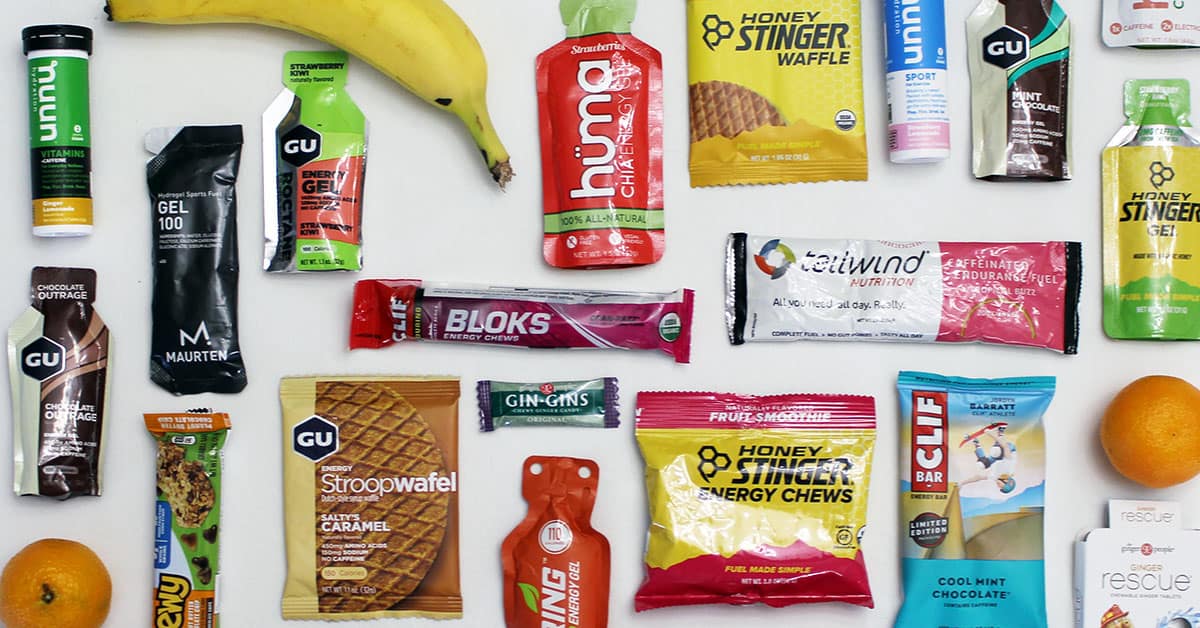
Sports nutrition products vary widely in sugar, sodium, and carbohydrate content. Many runners benefit from experimenting during training to determine what works best for their digestion and energy needs.
Learn Your Personal Sweat Rate
Hydration needs vary significantly between runners.
Some runners sweat heavily even during moderate conditions, while others lose far less fluid during training.
One simple way to estimate sweat loss is to weigh yourself before and after a run.
This can help runners better understand:
- how much fluid they lose
- how weather affects hydration
- how much replacement fluid may be appropriate
Over time, this can help you build a more personalized hydration strategy instead of relying entirely on generic recommendations.
Don’t Ignore Recovery Hydration
Hydration remains important after your run ends.
After longer efforts, your body continues recovering through:
- glycogen replenishment
- muscle repair
- cooling
- fluid regulation
Many runners benefit from continuing to hydrate steadily after longer workouts, especially during summer training.
Recovery hydration can also support:
- reduced soreness
- improved recovery
- better energy levels
- more consistent future workouts
Our article on Long Run Recovery Tips covers additional recovery strategies for endurance runners.
Be Careful Not to Overhydrate
While dehydration receives most of the attention, overhydration can also become a problem for runners.
Drinking excessive amounts of water without adequate electrolyte replacement can dilute sodium levels and potentially create dangerous imbalances.
Hydration should focus on balance — not simply drinking as much water as possible.
If you are feeling bloated, nauseous, or excessively full despite drinking heavily, it may be worth reassessing your hydration and electrolyte strategy.
Practice Your Hydration Strategy During Training
Race day is not the best time to experiment with hydration.
Training runs are an opportunity to practice:
- fluid timing
- electrolyte intake
- hydration products
- fueling combinations
- carrying methods
Developing a reliable hydration strategy during training can help runners feel more prepared and confident during races and longer endurance efforts.
Hydration Supports Long-Term Consistency
One of the biggest misconceptions about hydration is that it only matters during races or extreme heat.
In reality, proper hydration supports:
- endurance
- recovery
- sleep
- performance
- energy levels
- training consistency
Small improvements in hydration habits can often make a noticeable difference over time, especially during higher-mileage training or summer running.
Need Help Structuring Your Training?
Following a structured training plan can help runners balance:
- mileage
- recovery
- fueling
- hydration
- long runs
- workout intensity
more effectively throughout training cycles.
At Sunrise Running Company, our training plans are designed to help runners build endurance while balancing sustainable training and recovery year-round.
Explore: