Heat raises what you lose through sweat, and many runners find out midway through a run rather than before they leave. The bottle that covered your usual route is suddenly empty, you are still far from home and drinking more now cannot undo the planning gap. If a hot run has gone badly, the useful question is how to estimate what you need and make sure you can reach it throughout the next outing.
Your drinking needs are personal, so copying another runner’s bottle size only gets you so far. A sweat test gives you a starting estimate, while practice shows how that estimate changes with the conditions. From there, you can choose what to carry, where to refill and when to adjust the run instead of trying to finish the original route with supplies that no longer cover it.
Start the Run Already Topped Up
Starting behind on fluids makes a hot run harder to manage, because catching up while you continue sweating is difficult. Carry a bottle through the day and drink with meals, responding to thirst rather than trying to load up just before leaving. Your daily eating and hydration habits establish that starting point, while the plan for this particular run needs to account for the heat.
Urine color and volume can give you a rough check. Dark urine in a small amount suggests you may be behind, while pale yellow usually indicates adequate hydration. A large volume of very pale urine several times a day can mean you are drinking more than you need, rather than that you need to keep adding water. Urine appearance alone cannot tell you whether you need electrolytes, so consider recent sweating and what you have eaten instead of treating clear urine as a diagnosis.
The guidance from The American College of Sports Medicine supports beginning exercise adequately hydrated and individualizing fluid replacement. That does not mean forcing down water until your stomach feels full. Give yourself time to drink comfortably and use the bathroom before starting. If you are already thirsty after a day of limited drinking, address that before heading into the heat, and reconsider a long outing if you cannot start it comfortably.
Work Out Your Own Sweat Rate
A sweat test estimates how much fluid you lose under a particular set of conditions. Weigh yourself before the run, ideally after using the bathroom and without clothing that could retain sweat. Run for an hour at or near your intended race effort if that is appropriate for the conditions, tracking the ounces you drink. Do not force race pace in unsafe heat simply to complete the test.
Afterward, towel off and weigh yourself again under the same conditions. Subtract your after weight from your before weight, then convert the difference to ounces. Add the fluid ounces you drank during the run to estimate your total loss. If you lose 1 pound, equivalent to approximately 16 ounces of water, and drink 16 ounces, your estimated fluid loss is 32 ounces an hour. Dividing by 4 gives 8 ounces per 15 minutes.
That final figure describes estimated loss, not a requirement to replace every ounce while running. Use it to plan access to fluids, then adjust drinking to thirst and tolerance rather than forcing a fixed amount. If you urinate during the test, account for that loss or repeat the test another day. A single test only measures that day’s conditions, so retest when conditions differ. Gaining weight during the run suggests you may be overdrinking, which is a reason to reassess rather than add more fluid.
What You Lose Besides Water
Sweat contains electrolytes, including sodium, so a long hot run can require more planning than filling a bottle with plain water. Salt marks on your clothing can suggest salty sweat, but they do not measure how much sodium you need to replace. Use your experience on similar runs to choose an electrolyte option you tolerate, and follow its mixing directions rather than guessing at the concentration.
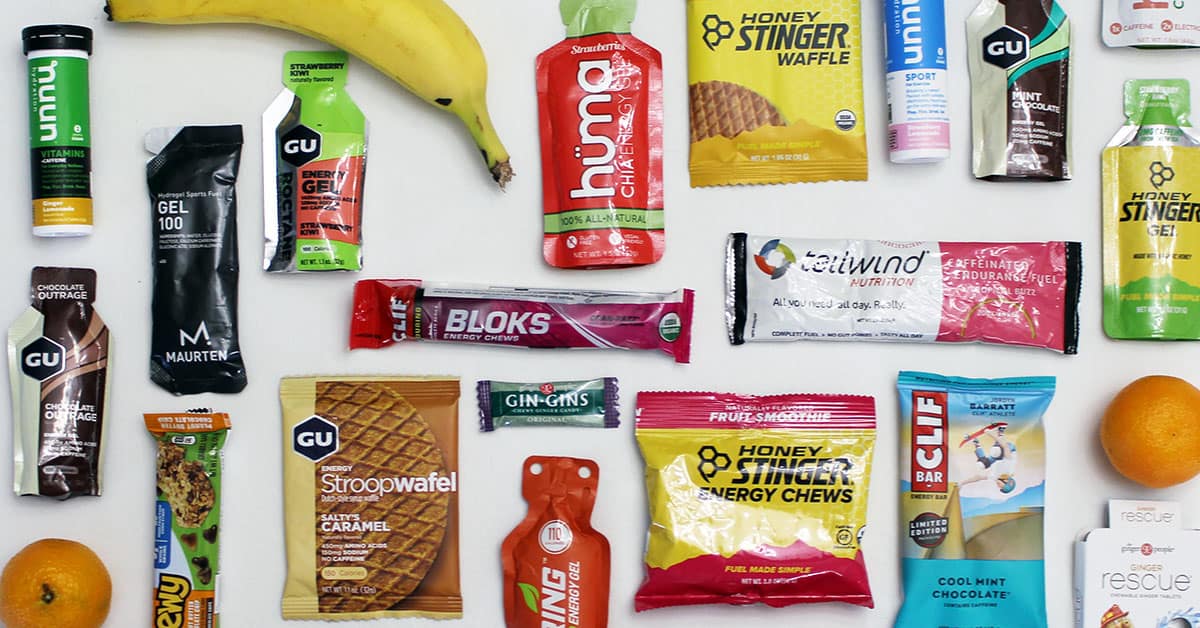
A dissolvable tablet or powder packet is easy to carry and lets you prepare a drink without relying on a particular brand. Check what the product contains, because an electrolyte drink may or may not also provide carbohydrate. Practice with it before depending on it during a long outing. Your race-day fueling and hydration strategy brings those drinking and food choices together when you are preparing for an event.
Drinking excessive amounts of plain water can dilute blood sodium and leave you worse off, but electrolyte drinks do not make overdrinking safe either. Headache, nausea, bloating and swollen hands can occur with fluid imbalance, and some symptoms overlap with heat illness. Do not assume feeling unwell means you should keep drinking or simply add a tablet. Stop running and assess the situation, seeking medical help for persistent or worsening symptoms. The practical goal is appropriate fluid intake with electrolyte replacement when needed, rather than drinking as much as possible.
Plan the Run Around the Heat
Check the forecast for the hours you will actually be running, including the return portion of a long route. Starting earlier or later may reduce the heat you encounter, but choose the window by the forecast rather than assuming an evening start will be cooler. When long runs grow through a hot stretch of an Intermediate Marathon plan, make that decision before the night preceding the run.
Coach’s Habit: As my long runs go from 2 hours up to 5 hours, my bedtime the night before gets earlier and earlier. Moving the start earlier means making room for sleep as well, so the adjustment begins the evening before rather than when the alarm goes off.
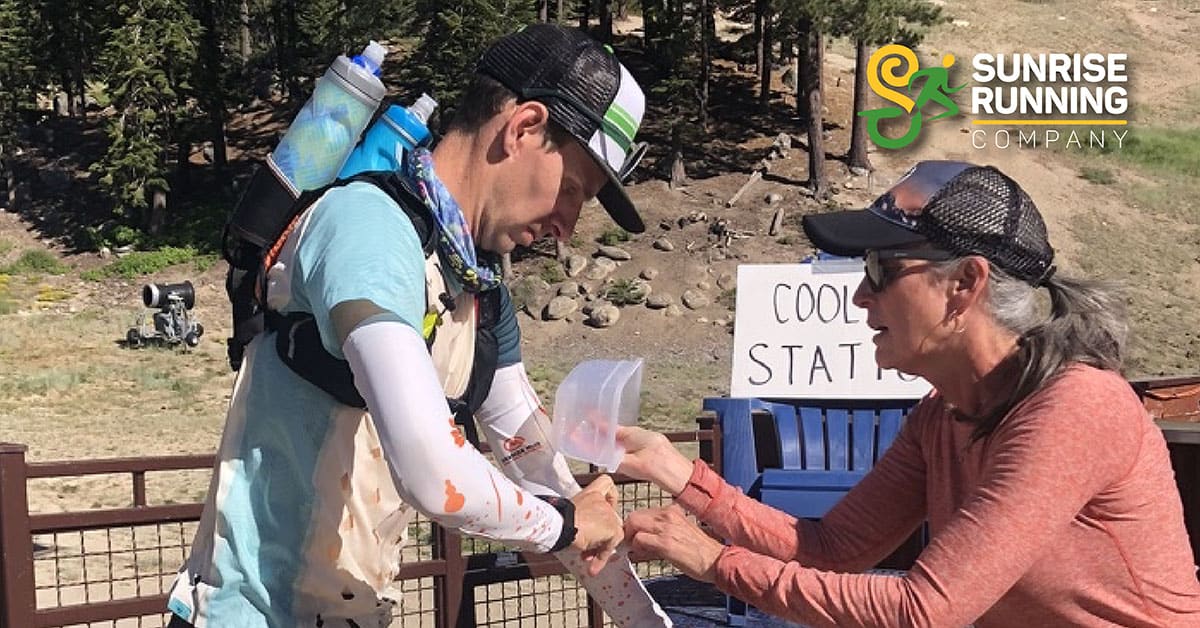
Map a route with confirmed drinking fountains or use loops that pass your vehicle, where you can leave refills. Check that the water source is available instead of relying on a fountain you remember from another outing. On routes without refills, your trail food and water plan needs to cover the full time away, including a slower return.
Carry some reserve beyond what you expect to use, because an unfamiliar route or unexpected delay can extend the outing. Carrying extra does not mean you must drink it all. Keep your bottles accessible and check what remains before continuing farther from a refill point. If your supplies are disappearing faster than expected, shorten the route while you still have a straightforward way back.
When to Back Off
Walk breaks are a useful adjustment when it is hot, especially if they help you reach shade, drink comfortably or decide whether to continue. Slowing down or cutting the run short does not erase the training you have already done. A hot day can cost you more than the elapsed time suggests, and understanding why running feels harder in the heat helps you make that adjustment without chasing the pace you expected.
Make changes before the situation becomes urgent. If you are using water faster than planned, take the shorter loop or return to your vehicle instead of continuing toward a distant turnaround. If the forecast has worsened, move the session or reduce it rather than assuming another bottle makes the original workout appropriate. Drinking is part of managing a hot run, but it cannot make every route or workout suitable for the conditions.
Dizziness, unusual weakness, headache or nausea are reasons to stop, move somewhere cool and reassess rather than push through. Seek medical help if symptoms persist or worsen. Confusion, collapse or loss of coordination requires emergency help and immediate cooling, because these can signal serious heat illness. Do not leave an affected runner alone or assume that giving them more water will resolve it. Your priority is getting out of the heat and getting help, not finishing the scheduled distance.
Measure Your Needs Before the Next Hot Run
The amount you need is personal, and measuring your losses on a hot day gives you a better starting point than guessing. Repeat the test under different conditions, then use what you learn to plan your supplies and route while allowing room to adjust.
Our running plans run from 5K to a 100 mile ultramarathon and are delivered through Final Surge. Use your scheduled runs to practice a drinking plan that fits your needs, and adapt the outing when the heat asks more than your original plan allowed.