
Should You Eat Before Running?
You’re halfway through your run when your legs suddenly feel heavy.
Your pace slows, your energy disappears, and what started as a comfortable run suddenly feels much harder than expected.
Many runners immediately assume they’re out of shape.
Often, that’s not the problem.
The real issue is that they didn’t give their body the fuel it needed before heading out the door.
One of the most common questions runners ask is:
“Should I eat before I run?”
The answer depends on several factors, including how long you’ll be running, how hard the workout will be, what time of day you’re running, and what your body is accustomed to.
Rather than following one rule for every run, successful runners learn to fuel for the workout ahead.
Doing so can help improve performance, reduce fatigue, and make your training more enjoyable.
Not Every Run Requires the Same Fuel
One of the biggest nutrition mistakes runners make is treating every run exactly the same.
A relaxed 30-minute recovery run doesn’t place the same demands on your body as a two-hour long run or a challenging interval workout.
Instead of asking:
“Should I eat before running?”
Try asking:
“What kind of run am I about to do?”
The answer often determines how much fuel you need beforehand.
Easy Runs Usually Require Less Fuel
If you’re heading out for an easy run lasting about 30 to 45 minutes, you may not need much food beforehand.
Many runners feel perfectly comfortable with:
- a banana
- half of an energy bar
- toast
- applesauce
- or simply water if they’re accustomed to running first thing in the morning.
The goal isn’t to eat as much as possible.
The goal is to begin your run feeling comfortable, energized, and free from hunger.
If you’re consistently feeling weak or hungry halfway through even shorter runs, experiment with adding a light snack 30 to 60 minutes beforehand.
Remember that every runner is different.
Coach’s Habit: For most of my easy weekday runs, my routine is simple: a bottle of water and a Clif Bar about 45 minutes before I head out the door. After the run, I’ll come home and eat a full breakfast. It’s a routine that’s worked well for me because it gives me enough energy to run comfortably without feeling overly full.
Hard Workouts Require More Planning
Long runs, tempo runs, interval workouts, and race-pace sessions demand significantly more energy.
Going into these workouts under-fueled can lead to:
- early fatigue
- slower paces
- poor workout quality
- difficulty recovering afterward
If you know you’ll be running longer or harder than normal, plan ahead.
Many runners benefit from eating a balanced meal containing carbohydrates and a small amount of protein about two to three hours before running.
If that’s not possible, a lighter snack 30 to 60 minutes beforehand can still provide valuable energy.
Planning your nutrition ahead of time often leads to better workouts than simply eating whatever happens to be available.
Coach’s Habit: When I have a long run or a harder workout scheduled, I plan my morning differently. I’ll usually start with water and a Clif Bar, then eat a more substantial breakfast—often oatmeal, fruit, or eggs—about 90 minutes before I run. That usually means I’m awake for nearly two hours before the workout begins, but I’ve found the extra preparation makes a noticeable difference in both my energy levels and the quality of the workout.
Good Foods to Eat Before Running
Simple, familiar foods are often the best choice before a run.
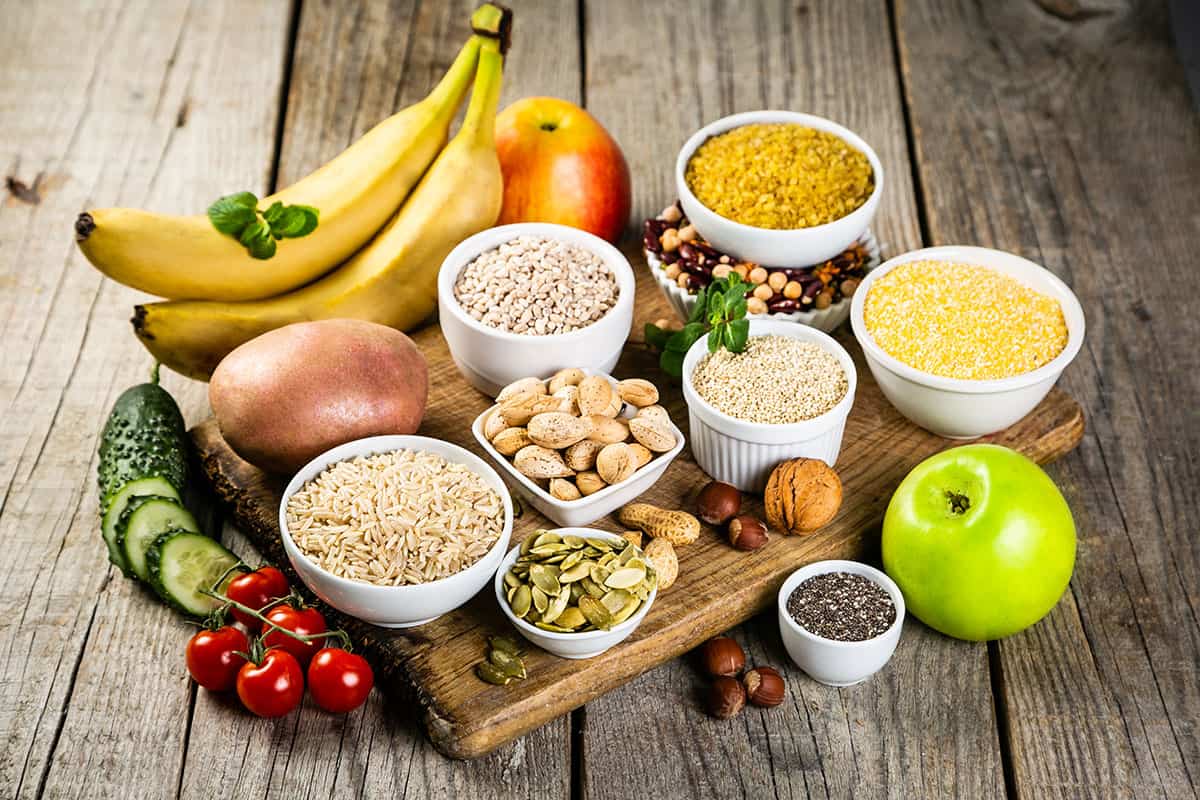
Some popular options include:
- bananas
- oatmeal
- toast with peanut butter
- applesauce
- dried fruit
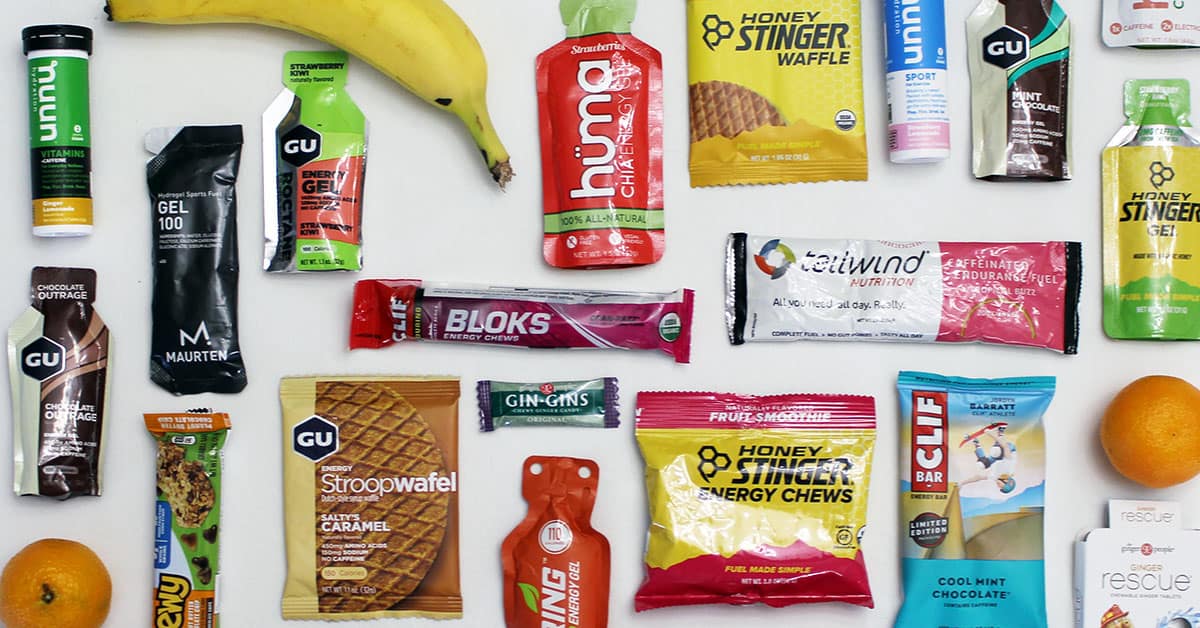
- Clif Bars
- Honey Stinger Waffles
- yogurt (if dairy agrees with you)
- whole-grain toast
- rice
Foods that are higher in carbohydrates and lower in fat and fiber are generally easier to digest before exercise.
Foods to Limit Before Running
Some foods are more likely to cause stomach discomfort during a run.
Try avoiding these immediately before running:
- fried foods
- greasy meals
- heavy cream sauces
- large amounts of cheese
- bacon and fatty meats
- oversized meals
- foods you’ve never tried before
Even healthy foods can become problematic if they don’t agree with your digestive system.
Your long training runs are the perfect opportunity to discover what works best for you.
Morning Runs vs. Afternoon Runs
The time of day can also influence your fueling strategy.
Morning Runs
Many runners head out shortly after waking up.
If it’s an easy run, a light snack—or no food at all—may work well if you’ve adapted to it.
For longer or harder sessions, however, giving yourself enough time to eat beforehand can make a significant difference in both performance and enjoyment.
Afternoon or Evening Runs
If you’re running later in the day, your previous meals often provide much of the energy you need.
Still, avoid beginning a workout hungry.
If it’s been several hours since your last meal, consider a light snack before heading out.
Practice Your Race-Day Nutrition
One of the biggest mistakes runners make is experimenting on race morning.
Race day should never be the first time you try:
- a new breakfast
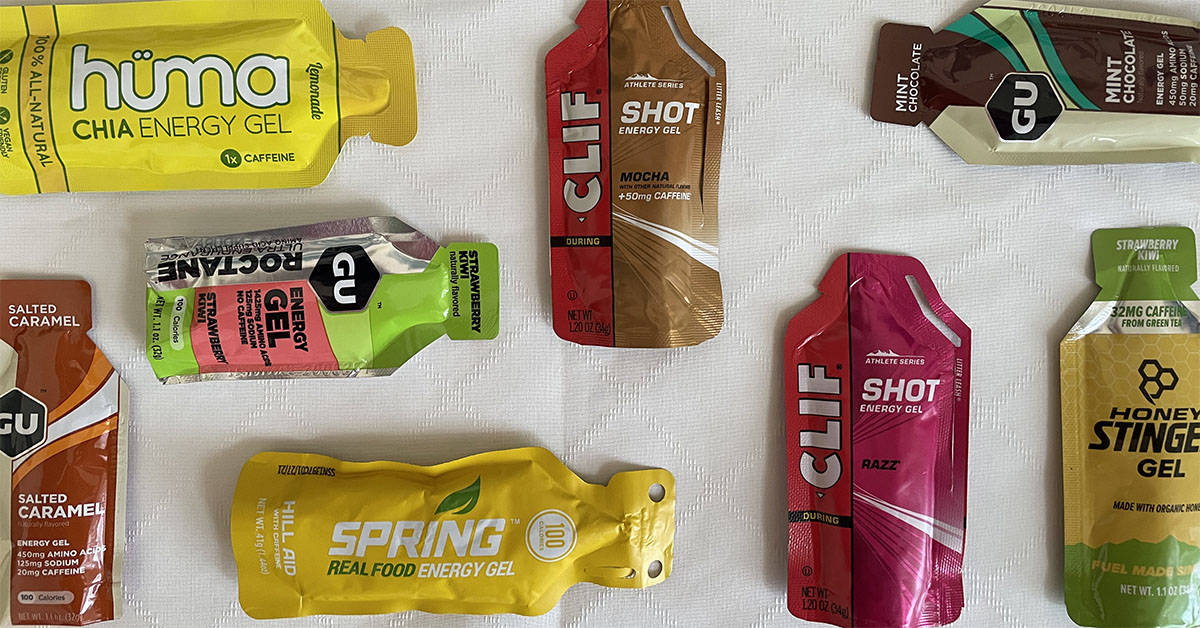
- an energy gel
- a sports drink
- electrolyte mix
- fueling schedule
Instead, use your long runs to practice exactly what you’ll eat before and during your goal race.
By race morning, your nutrition plan should feel just as familiar as your pacing strategy.
The more you practice, the fewer surprises you’ll encounter on race day.
Coach’s Habit: Before every long run and race, I lay out all of my nutrition the night before. I estimate how much fuel I’ll need based on the expected duration of the run, then pack one or two extra gels just to be safe. I’d much rather finish with extra fuel in my pocket than find myself wishing I’d packed one more.
Don’t Forget Recovery Nutrition
Fueling doesn’t end when your run does.
After longer or harder workouts, your body immediately begins repairing muscle tissue and replenishing energy stores.
A balanced recovery meal containing:
- carbohydrates
- protein
- fluids
can help prepare you for your next training session.
Recovery nutrition becomes especially important during higher-mileage weeks or marathon training.
If you’d like to learn more, check out our article on Long Run Recovery Tips.
Listen to Your Body
No two runners are exactly alike.
Some runners prefer eating two hours before every run.
Others feel better with only a small snack.
Some tolerate dairy well.
Others don’t.
The best fueling strategy is the one that consistently leaves you feeling energized without upsetting your stomach.
Pay attention to how different foods affect your performance, and don’t be afraid to adjust your routine over time.
Fuel the Run Ahead
The question isn’t simply:
“Should you eat before running?”
The better question is:
“What does this run require?”
Easy runs, recovery runs, long runs, workouts, and races all have different nutritional demands.
Learning how to match your fueling to the workout ahead is one of the simplest ways to improve your training, enjoy your runs more, and prepare your body for long-term success.
Related Articles
Continue learning with these runner resources:
- Top 3 Hydration Tips for Runners
- Long Run Recovery Tips
- Best Breakfast Foods for Runners
- Energy Gels for Running
- How Much Should You Run Each Week?
Ready to Train Smarter?
Nutrition is only one part of successful training.
Our beginner-friendly training plans combine easy runs, long runs, workouts, recovery, and practical coaching guidance to help you reach your next running goal with confidence.