
A runner’s breakfast needs to replace the carbohydrate you used yesterday and give you something to train on today. It also needs to fit the rest of your morning, whether you have already finished an easy run, are heading to work before an afternoon workout or are getting ready for a weekend long run. You do not need a different menu for every session, but you do need a breakfast that provides enough food for the training you are doing.
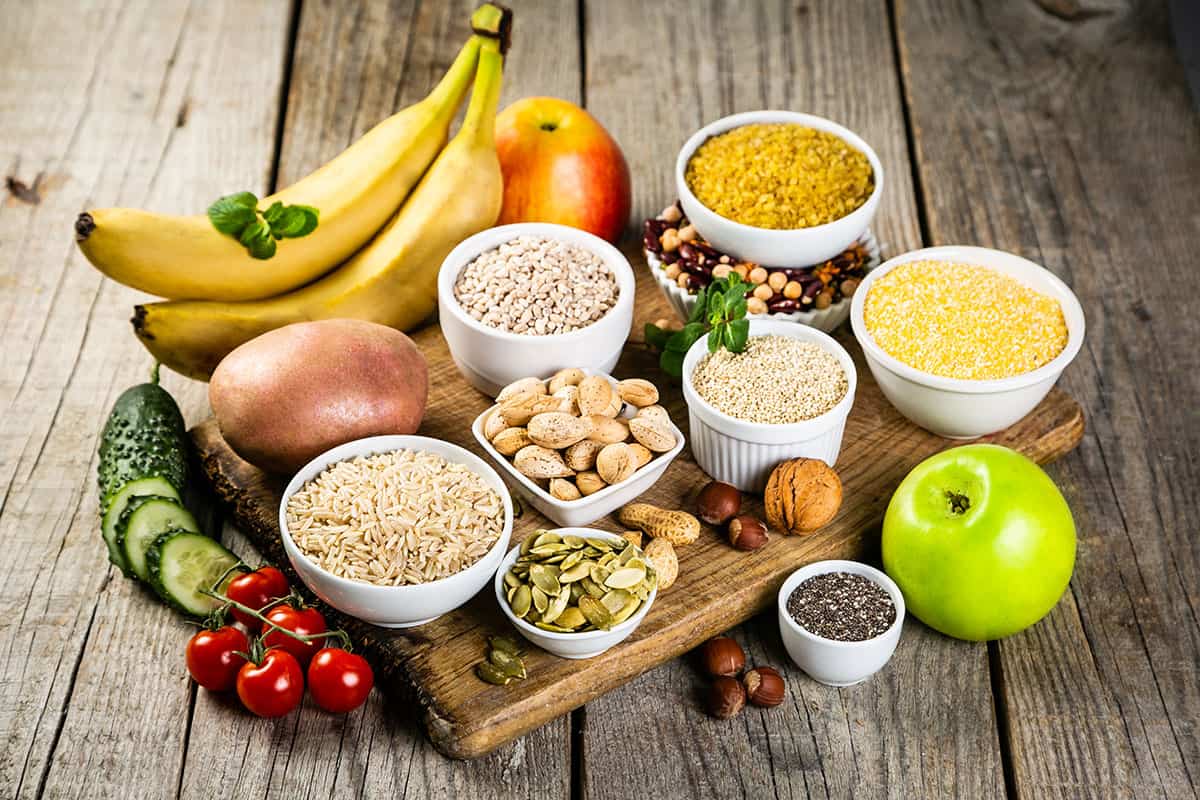
These 7 foods give you practical options for building that meal, with carbohydrate from oats and fruit, protein from eggs and dairy and some fat from nuts or nut butter. You can mix them according to your appetite, what you enjoy and what you have available. The goal is to have a few breakfasts you can make reliably, including on the mornings when getting out the door takes most of your attention.
What a Runner’s Breakfast Needs to Do
A runner’s breakfast supports the session you already ran or the one coming later, which gives it a job beyond keeping you satisfied until lunch. Training draws down the carbohydrate stored in your muscles, and breakfast is your first substantial opportunity after waking to replace it. Carbohydrate provides energy for running, so a breakfast built mostly on protein leaves that replacement job largely undone.
Protein supports the muscle repair that follows training, rather than serving as the main fuel for your next run. That repair is why protein deserves particular attention on the days after harder training, while carbohydrate is the more immediate concern before an easy run. After a demanding weekend session, replacing what your long run used includes eating carbohydrate alongside protein, because restoring fuel and supporting repair are different parts of recovery.
Fiber and fat help breakfast hold you through the morning, but their amounts should change depending on how close you are to running. A meal that feels comfortable at your desk may sit heavily once you start moving. When a run is coming soon, fiber and fat are the first things to reduce, while keeping the carbohydrate you need for the session.
7 Breakfast Foods Worth Building Around
1. Oatmeal
Oatmeal gives you a carbohydrate base for breakfast and contains beta-glucan, a soluble fiber that helps make the bowl satisfying enough to carry you through a busy morning. You can cook it with milk, stir in Greek yogurt after cooking or add fruit and nut butter, depending on whether you need more protein, more carbohydrate or a meal that holds you longer after a run or before a workout later in the day.
2. Eggs
Eggs provide protein to support repair after training, and they are a useful breakfast choice when you prefer something savory to a bowl of oats or yogurt. They contribute very little carbohydrate, so pair them with oatmeal, fruit or another carbohydrate food rather than expecting a plate of eggs to cover everything your running needs. After a harder session, that pairing helps breakfast support muscle repair while also replacing the fuel you used.
3. Greek Yogurt
Greek yogurt is high in protein and gives you a breakfast base that requires no cooking, which can be useful when you come home hungry from a run and still need to get ready for work. Adding oats and fruit supplies carbohydrate alongside that protein, while a small amount of nuts or nut butter can make the meal more satisfying if lunch is still a long way off after your morning training session.
4. Fruit
Fruit contributes carbohydrate along with vitamins and fiber, and bananas also provide potassium in a form that is easy to eat alongside breakfast. Berries bring fiber and antioxidants to the same meal, whether you stir them into oatmeal or add them to yogurt. A banana sliced into oatmeal, a peach alongside eggs or an orange with cottage cheese adds carbohydrate and variety, helping round out breakfast rather than replace the whole meal.
5. Toast or a Bagel
Plain toast or a bagel provides carbohydrate that is generally easy to digest, making either a familiar choice when a morning run is coming soon. A typical bagel contains more carbohydrate than a slice of toast, so it can suit a longer run while toast may be enough before a shorter one. Adding nut butter or eggs makes either a fuller breakfast when you are not heading straight out the door afterward.
6. Nuts and Nut Butter
Nuts and nut butter add fat, some protein and energy to breakfast, which can help when your training has increased and your usual meal no longer keeps you comfortably satisfied. Stir peanut butter into oatmeal, spread almond butter on a banana or add chopped nuts to yogurt. They work well as additions to a carbohydrate base, but a generous amount can feel heavy before training, so adjust the portion to suit your stomach.
7. Cottage Cheese
Cottage cheese is high in protein and gives you another quick option for supporting recovery, particularly if you want something you can spoon into a bowl without cooking. Pair it with fruit and a serving of oats to bring carbohydrate into the meal, then add nuts if you want more texture and a breakfast that holds you longer. That combination covers more of your recovery needs than a bowl of cottage cheese alone.



Putting Them Together
You do not need all 7 foods on the plate, and you do not need to measure every ingredient to make a useful breakfast. Start with a carbohydrate food, add a protein source and use fruit or nuts to round out the meal according to your appetite. If a combination regularly leaves you hungry soon afterward, increase the portion or add another component instead of assuming you chose the wrong foods. These are straightforward combinations you can repeat through the week:
- Oatmeal cooked with milk, topped with a sliced banana and peanut butter, with the amount of oats adjusted to your appetite.
- Scrambled eggs with a bowl of oatmeal and berries, giving you a savory option alongside a carbohydrate base.
- Greek yogurt mixed with overnight oats, chopped fruit and a small handful of nuts for a breakfast you can prepare ahead.
- Cottage cheese with fruit and chopped nuts, served alongside oatmeal when you need a more substantial meal.
How Breakfast Changes on a Training Day
A normal breakfast and a pre-run breakfast have different jobs, because a meal that keeps you satisfied at work may feel uncomfortable while you are running. How long you have before the run changes what belongs on the plate, especially the amount of fiber and fat you can comfortably handle. Your choices about what to eat before running should account for that gap and the session ahead. When your weekly schedule includes consecutive training days, as the Beginner 10K plan does, breakfast also helps you keep eating consistently between sessions.
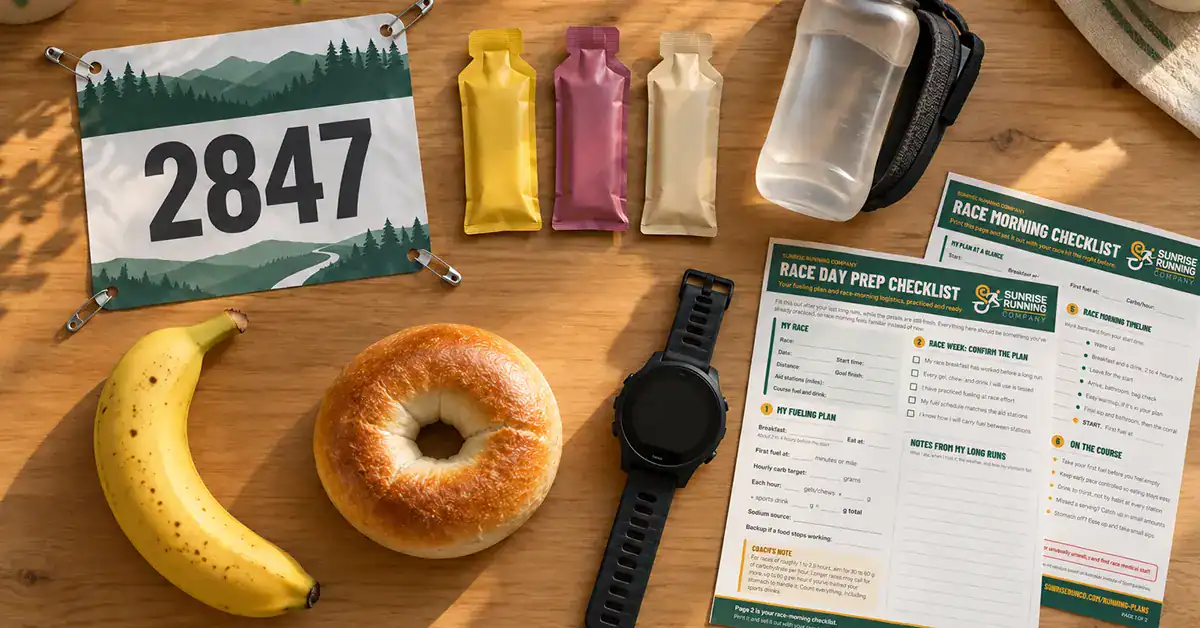
On race morning, use a breakfast you have practiced before training rather than trying a new food because it sounds particularly healthy. Your race-day fueling and hydration strategy should include that familiar breakfast alongside what you will eat and drink during the race. Keep the ingredients and portions close to what has worked for you, including any adjustments you have already made for your stomach.
Build Breakfast Around the Training Ahead
Breakfast is easier to get right when you know what the day’s training asks of you. A clear schedule helps you decide whether you need a familiar meal before running, a fuller breakfast after finishing or enough food to support a workout later that day.
Our running plans run from 5K to a 100 mile ultramarathon and are delivered through Final Surge. With your sessions laid out, you can build a breakfast routine around your training week and keep a few dependable meals ready for the mornings you repeat most often.