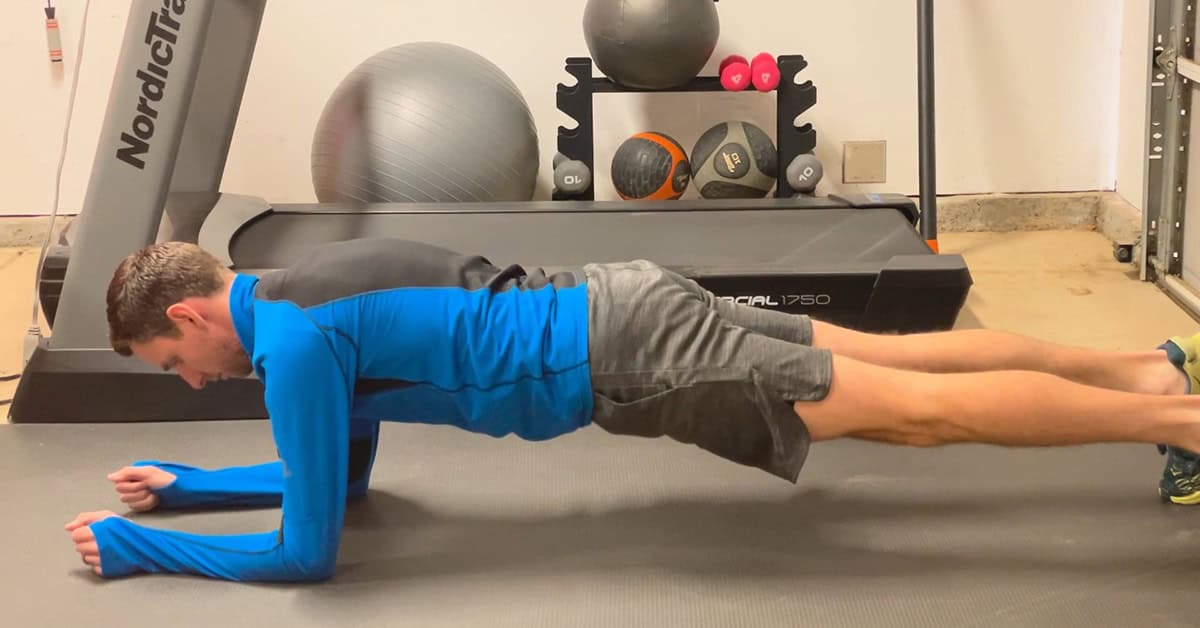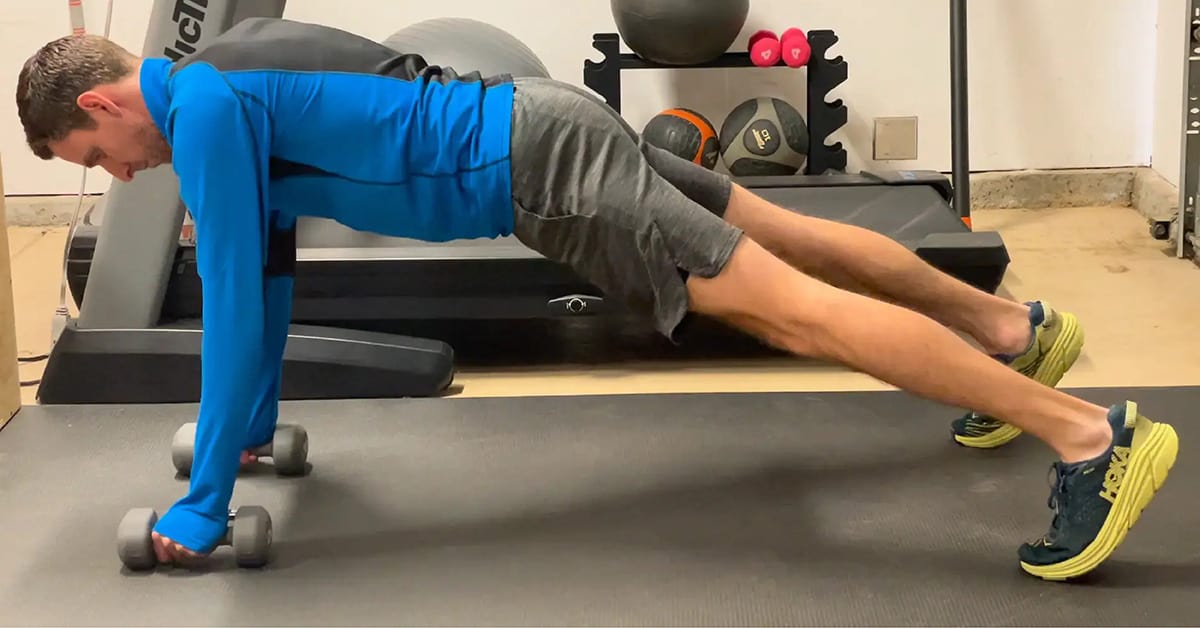

Most runners think cross training means any workout that is not running. That definition is too broad. It puts cycling, strength work, yoga and hard interval circuits into the same category even though they ask different things from your body.
Cross training is aerobic work that is not running. A session lasts 30 to 45 minutes at RPE 3 to 4, the same Easy band used for an easy run. You are breathing harder than at rest and can speak in short sentences, but you cannot comfortably hold a conversation. Drifting toward RPE 5 during the second half is fine. Going above RPE 6 is not. At that point, the session has become hard enough to cost you the next run it was supposed to protect.
Why Cross Training Works
Running fitness develops on 2 different timelines.
Think of your aerobic system as the engine and your impact tolerance as the chassis. The engine adapts within weeks, while the chassis develops over months. Your breathing may tell you that you can run farther or add another day before your body is ready to support that increase.
The engine includes your heart, lungs and working muscles becoming better at supplying and using oxygen. The chassis includes your bones, tendons, connective tissue and the small stabilizing muscles around your joints becoming stronger through repeated loading. Those tissues cannot speed through the process simply because your aerobic fitness has improved.
That gap is where many early running injuries begin. You have enough aerobic fitness to keep going, so you add miles. Your feet, shins, knees and hips receive more impact than they are ready to absorb. The engine feels fine. The chassis is the part that gives way.
Cross training lets you build the engine without spending from the account you cannot afford to overdraw. You get additional aerobic work without adding another round of running impact. That makes it useful when your fitness can handle more work but your legs are not ready for more running.
This definition matters. Cross training is not strength work, and it is not yoga. Strength training develops force and tissue capacity. Yoga may support mobility, balance or relaxation. Cross training develops aerobic fitness without running. If your plan schedules both cross training and strength work, completing 1 does not cover the other.
HIIT is not cross training either. A hard circuit may avoid running impact, but it creates a different kind of fatigue. Once the session climbs above RPE 6, you have replaced low-cost aerobic work with another demanding workout.



What Cross Training Can’t Replace
Cross training buys aerobic fitness without impact. It does not buy the adaptation that impact creates.
Each time you run, force travels through your feet, shins, knees and hips. That repeated loading tells your bones, tendons, connective tissue and supporting muscles to become better prepared for the next run. The signal has to come from running because the body adapts to the work it receives.
You can become extremely fit on a bike and still have the legs of someone who does not run. Your breathing may stay controlled as your weekly running grows, but your tissues have not had time to develop the same tolerance. That is the runner who feels aerobically ready and gets hurt in week 6 of a plan.
This is why a cross-training session is not a substitute for a prescribed run. If your plan calls for a Saturday run and you complete 45 minutes on the elliptical instead, your watch may show a strong aerobic session. The plan still lost the running impact it needed that day.
One swap may be necessary. A pattern of swaps quietly changes the plan. Your aerobic fitness keeps moving while your running tolerance stops developing. When you return to the scheduled mileage, the engine and chassis are even farther apart.
There is 1 exception. When running is not available to you at all, cross training is better than doing nothing if the activity is appropriate for your situation. That may happen because you are injured, ill or facing weather that makes running unsafe.
The decision is different in that case. You are not choosing between cross training and a run. You are choosing between cross training and no aerobic work. Cross training can help you maintain fitness until running becomes available again.
When to Do It, and When Not To
Runners are often told to use their rest days as cross-training days, but that advice needs to be handled carefully.
A cross-training session can sit on a day without running as long as your week still contains the rest your plan requires. Turning every open day into another session does not make the plan more complete. It removes the time when your body absorbs the work.
Some plans prohibit cross training on the rest day. Our Beginner 5K instruction is direct: “Full rest. No running, strength work or cross-training.” When your plan says that, the day is not empty. Your rest day has already been assigned a job.
If you run and cross train on the same day, complete the run first. Running is the work the plan is preparing you to handle, so it gets the freshest legs. Cross training follows as additional aerobic work rather than competing with the session that matters more.
When time is short, cut the length of the cross-training session rather than removing it automatically. A controlled 20-minute session can still support the week. Do not make it harder to compensate for being shorter. More intensity changes the purpose.
The day you feel beaten up is often the best day of the week for cross training. Your aerobic system can still work while your legs receive a break from impact. Keep the session easy enough that you finish feeling better prepared for the next run, not proud of surviving another hard workout.
Use the same standard when choosing an activity. It should let you remain near RPE 3 to 4 without creating soreness or fatigue that follows you into the next running day. If the activity is unfamiliar, begin conservatively. A new movement can be low impact and still leave you sore.
The Options
The first 2 options require no equipment at all and are complete answers on their own. If you do not have a bike, pool or gym membership, you are not missing anything your plan needs.
- Walking and Hiking, 30 to 45 minutes
- Low-Impact Home Circuit, 20 to 30 minutes
- Cycling, 30 to 45 minutes, needs a bike
- Elliptical, 30 to 45 minutes, needs a machine
- Rowing, 20 to 30 minutes, needs a machine
- Swimming, 30 to 45 minutes, needs a pool
- Aqua Jogging, 20 to 40 minutes, needs a deep pool and a belt
Almost all Sunrise Running Company plans come with a full Cross Training for Runners guide covering how to complete each option, the most common mistake with each and what to choose when something hurts.
Who Actually Needs Cross Training
Cross training is scheduled where it earns its place and left out where it does not. More is not automatically better.
Run/Walk plans schedule 2 sessions a week. The Run-Walk 10K plan uses those sessions to add aerobic work without adding more running impact. Cross training matters most at this level because Run/Walk plans do not ask for strength work. It makes up the whole portion of the week that trains your body without running.
Beginner plans schedule 1 cross-training session a week. The Beginner 5K plan uses that single session to support aerobic development while keeping the week at 4 running days. The extra aerobic work does not require a fifth day of impact.
The Beginner Half Marathon to Marathon Bridge plan also schedules 1 session a week. That session lets you add aerobic work while the long run extends beyond what your half marathon training required. You can support the move toward the marathon without immediately adding a fourth or fifth running day.
Intermediate, Advanced, marathon and ultra plans schedule no cross training. That is deliberate, not an oversight. By the time you are ready for that volume, your legs have developed more tolerance for repeated running. The plan can use running to build the aerobic fitness and impact capacity the race requires.
Recovery becomes more expensive as the running load grows. During a peak block, it is already committed to workouts, long runs and easy days. The Advanced Marathon plan schedules no cross training because 6 running days already fill the week. Adding another aerobic session would not complete the plan. It would change it.
Anyone returning from injury is the exception. Cross training can matter regardless of what the original plan scheduled because running may not be fully available yet. Aqua jogging is the closest option to running that is not running. It lets you continue practicing a running-like motion while removing the landing forces that may be limiting you.
Cross training holds your aerobic fitness, but only running rebuilds your impact tolerance, so running still has to return gradually.
Cross training has a narrow job. It builds your aerobic engine without adding running impact. It cannot replace running, strength work or rest, and it does not belong in every plan. Use it where the schedule assigns it, keep it easy and let it protect the running that still has to do the work.
Let the Plan Decide When You Cross Train
Cross training earns its place on some plans and not others, and the schedule already knows which. Run/Walk plans build it in twice a week, beginner plans once, and the plans above that leave it out on purpose because the running is already doing that job.
Explore our running plans and follow what your week actually asks for, rather than adding an aerobic session the plan did not want.